
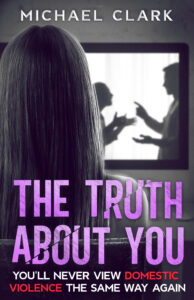
Novelist Michael Clark chats with me about his psychological literary fiction novel, The Truth About You.
Bio:
Michael Clark is the founder and Executive Director of the Ananias Foundation, a nonprofit organization committed to ending domestic violence at its root, by working with those who have caused harm. Through the foundation, Michael has supported thousands of individuals seeking to break free from abusive behaviors, offering guidance, and hope for change.
What makes Michael’s voice distinct is the depth of personal experience he brings to his work. A former domestic violence offender himself, he has walked the difficult road of transformation. Today, he writes, speaks, and leads from that hard-won perspective, helping others understand the mindset behind abuse, and how real, lasting change is possible.
He is the author of From Villain to Hero, a candid and powerful memoir that traces his journey from being abusive to becoming a safe and emotionally healthy partner. His writing is marked by honesty, compassion, and a deep understanding of the internal and relational dynamics at play in abusive relationships.
Welcome, Michael. Please tell us about your current release.
Lucy and Meg’s mother is battered by her husband and the girls’ stepfather, Greg, who is arrested for his act of violence. When their mother inexplicably stays with him, the young women decide they need to take matters into their own hands. They plot to secretly record Greg’s abusive behavior so they can show their mother—and the world—what a monster he is.
However, what Lucy observes in the recordings contradicts what she’s been told about domestic violence. Should she trust the information she received, or believe what she sees? What is the real truth, and will anyone else acknowledge it?
What inspired you to write this book?
I was (and still am) frustrated by how many depictions of domestic violence in the media paint perpetrators as evil, unrepentant monsters and their partners as innocent, helpless victims. That was not my experience, and it does not describe the accounts I hear from our clients at the Ananias Foundation.
The players in abusive relationships are far more complex than simple stereotypes portray. What the dominant narrative gets wrong is who commits domestic violence and why they do so. Why this matters is because when we don’t tell the truth about the who and why of domestic violence and abuse, it prevents us from arriving at the right answer on how to stop it.
One of the best ways we change these mistaken perceptions is to tell more stories that reflect the truth. That’s what I hope The Truth About You does–begin to change the narrative about domestic violence to one that is more truthful.
What exciting project are you working on next?
I have a follow-on book to The Truth About You currently incubating. It takes two of the characters from my current novel and peeks into their lives ten years later. Like The Truth About You, there is a bigger purpose for writing the story: in the new book’s case, to address the issues of false allegations and parental alienation.
When did you first consider yourself a writer?
I’m a literal person, so in my mind, a writer is someone who writes. Therefore, everyone who has ever written a grocery list or sent a text message is a writer.

Do you write full-time? If so, what’s your workday like? If not, what do you do other than write and how do you find time to write?
I have a full-time job as the Executive Director of the Ananias Foundation, so creative writing is something I add on top of those responsibilities. Finding time to write often feels like trying to sneak dessert before dinner—you have to be intentional about it.
I treat writing time like any other appointment: I block it off and show up whether I’m feeling creative or not. Discipline helps, but so does giving myself permission to stretch deadlines when life crowds in. In the end, it’s less about speed and more about steady progress—words on the page, one scheduled session at a time.
What would you say is your interesting writing quirk?
I have a secret: I never took a typing or keyboarding class in school, never formally learned to type, and my typing is slow and filled with typos. So how did I plunk out a 86,000 word manuscript? I narrated much of the story off the top of my head using voice recognition, then went back and made the necessary corrections. I found this process produced the text faster and contained fewer errors than what my clumsy fingers created.
As a child, what did you want to be when you grew up?
A chemist, a veterinarian, then the CEO of a company. I still love science and business, but this writing thing is growing on me.